April 2026 - Apiary Report
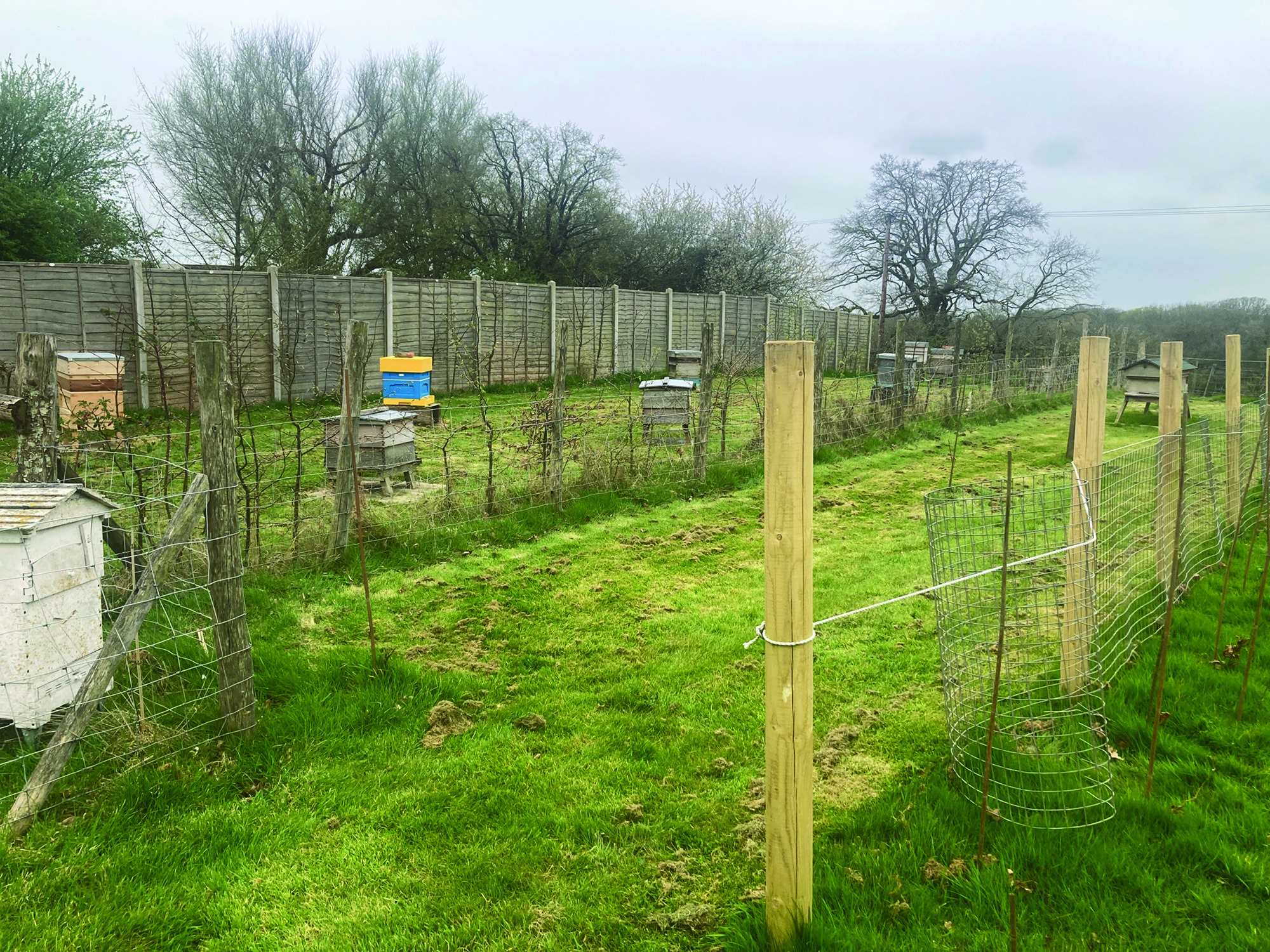
Spring is definitely here at last – the bluebells are out in the woods, which is always a lovely sign of the season ahead!
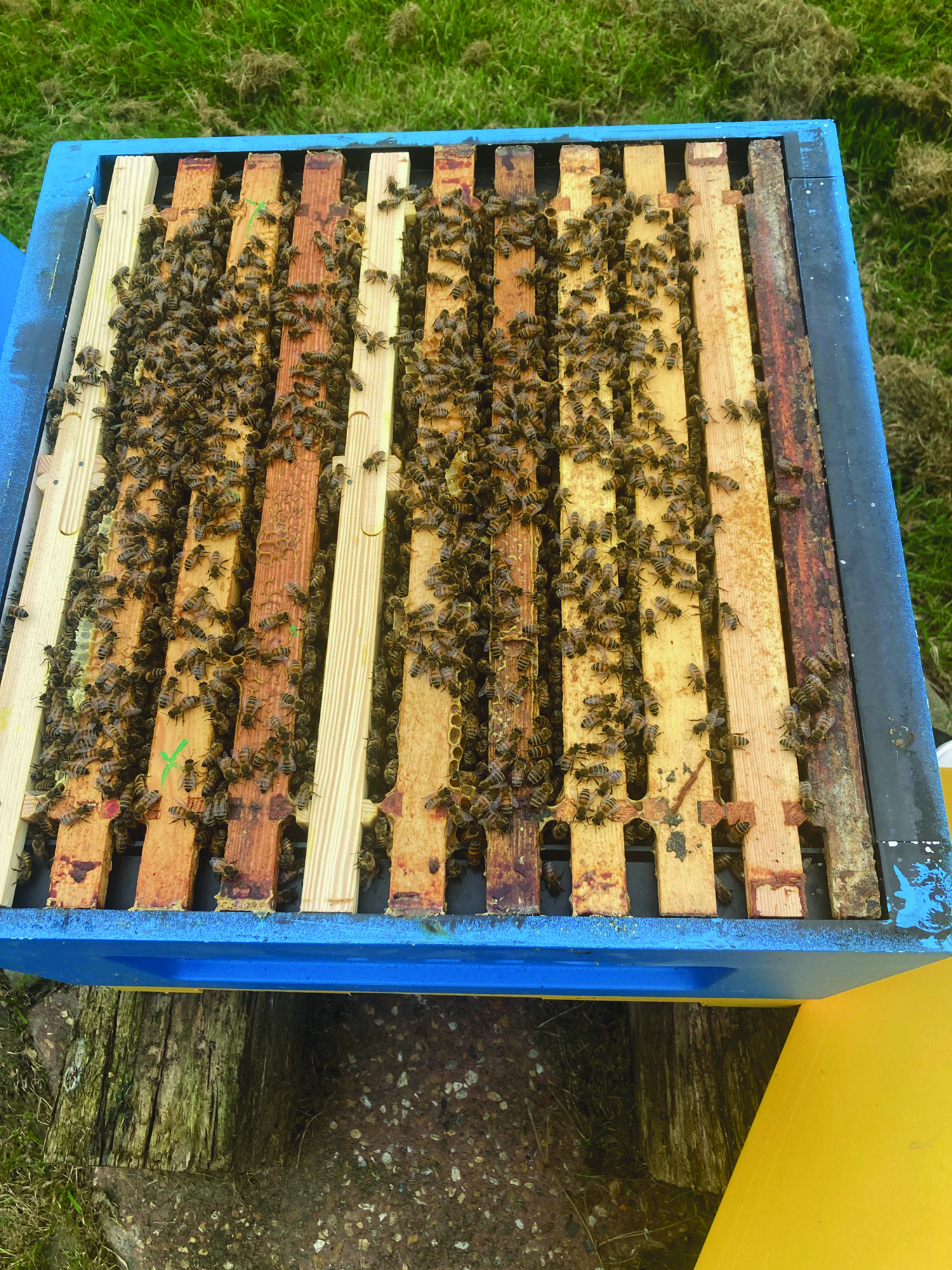
We’ve carried out our first hive inspection, and it’s great to report that the colonies which made it through the winter are doing really well. They’re building up fast and looking strong for the coming season. Those on single brood chambers are nearly ready for a super, moving them nicely towards a brood-and-a-half setup.
Sadly, we did lose four colonies over the winter. All were in single-skinned hives without insulation. Although they had plenty of stores, one colony succumbed to starvation as they wouldn’t cross an empty frame, and the other three appear to have suffered due to damp conditions. It’s a reminder of how important hive quality and insulation are – the timber used in many modern hives isn’t always what it used to be.
This seems to be part of a wider trend, with heavy losses reported not just in the UK but across Europe. In the past, I’ve avoided these issues by using wooden crown boards or glass quilts, which help manage condensation while retaining warmth. The poly crown board on the Abelo hive, with its vented design, has been particularly impressive – it holds heat extremely well (it genuinely feels warm to the touch, like an electric blanket), helping colonies conserve vital energy over winter.
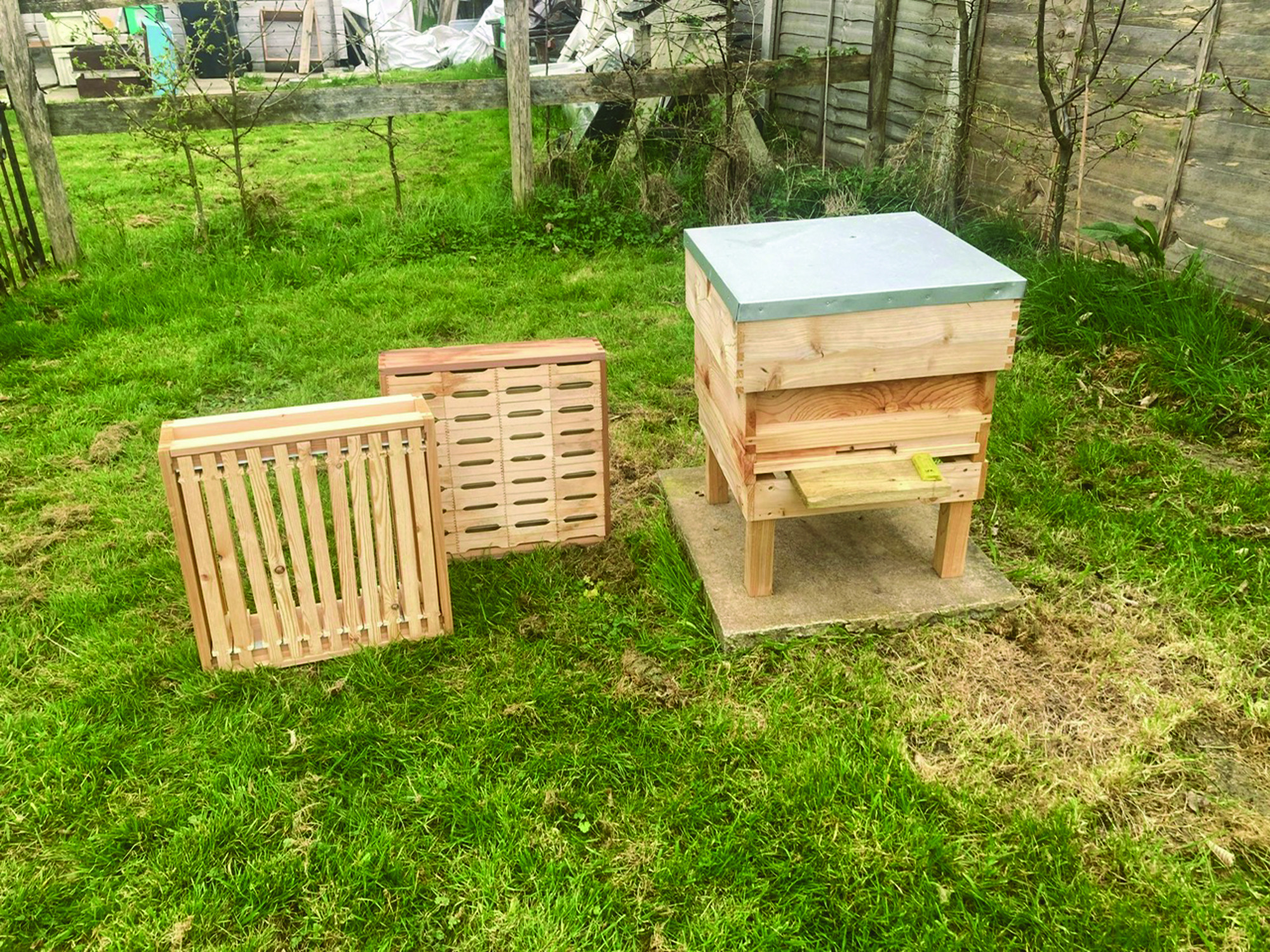
The colonies we lost have now been replaced with our overwintered nucs. On that note, the nuc transferred into the new Abelo hive has exceeded expectations – the two split frames with foundation have already been drawn out and are ready for moving into the mating hives. Queen rearing will begin in the next week or so, and we already have plenty of mature drones available.
Dates for our Queen rearing course will be released soon.
Jenny’s hive is also looking strong – I’ve added a section rack and a super to give them room to expand.
While I’ve not always been a fan of poly hives, the Abelo National hive really does tick a lot of boxes. For anyone considering making the switch, it’s certainly worth a look.
Before our main club meeting on Sunday 3rd May, I’ll be clipping queens’ wings (just 4mm off one wing) to help reduce the risk of swarming.
On another note, I’m actually quite pleased we don’t have Oil Seed Rape nearby this year. It gives us a great opportunity to trial the Flow Hive for those who are interested. I’m sure Richard, our resident expert, will be on hand to guide us through it.
Work on the hut is progressing slowly as time allows. We would like to hold a working party next Sunday 19th April starting at 10am to put up the new marquee and continue repairs – likely including felting the roof. Many hands make light work so any help will be appreciated. Tea and coffee will be provided, so do come along if you can lend a hand.
Just a reminder for the end of this season once the BBQ is over, the marquee will be taken down to avoid winter damage.
Over the winter, I attended several Zoom talks, including one on allergic reactions to stings led by two doctors (from London and Devon). They highlighted three key points:
If someone has a reaction, lay them down and raise their legs to help circulation.
Call 999 and report them as non-responsive to ensure a rapid response.
If an EpiPen is available, use it and hold for a full 10 seconds – timing is important, and acting quickly can make all the difference.
Looking ahead, we have our German exchange visitors arriving next month.
All members are welcome to meet them at the apiary on Sunday morning 17th May 10am, light refreshments will be served.
Katy is hosting a farewell BBQ at her home as the German Chair is currently undergoing treatment for a sting allergy and is unable to visit the apiary. Other planned trips include Dover Castle, Wakehurst Gardens, and the Millennium Seed Bank.
We still have plenty of sugar available for anyone wishing to make up their own syrup.
The skep-making course l held recently was a great success – most people made good progress, with many completing the top section and starting the outer casing. It was a very enjoyable and therapeutic session. Navin has kindly offered to run a summer session as well – date to be confirmed.
Looking further ahead, Roger Patterson will be giving a talk at our winter meeting in November – topic to be confirmed nearer the time.
If members would like a specific winter talk or subject please let us know.
Finally, honey sales are still going strong, and we’ve got a healthy supply remaining from last season.
Swarm season has already begun!